

1. Set Clear Goals
Establishing clear fitness goals is paramount for beginners. Define specific, measurable, achievable, relevant, and time-bound (SMART) objectives. For example, instead of aiming to “get fit,” set a goal to “run 5K in under 30 minutes within three months.” This clarity keeps you focused and motivated, providing a roadmap for your fitness journey.
2. Start Slowly and Progress Gradually
Begin your fitness regimen at a manageable pace to avoid injury and burnout. For beginners, it’s advisable to start with 20-30 minutes of moderate exercise three times a week. Gradually increase the duration and intensity as your body adapts. This systematic approach allows for steady improvements without overwhelming yourself.
3. Mix Cardio and Strength Training
Incorporating both cardiovascular and strength training into your routine promotes overall fitness and fat loss. Aim for at least 150 minutes of moderate aerobic exercise weekly, paired with strength training at least twice per week. Activities like walking, cycling, or swimming for cardio, coupled with bodyweight exercises like squats and push-ups, can create a well-rounded program.
4. Focus on Nutrition
Fitness is not solely about exercise; nutrition plays an essential role. Adopting a balanced diet rich in fruits, vegetables, lean proteins, healthy fats, and whole grains provides your body with the necessary nutrients to fuel workouts and recover. Actionable tips include meal prepping to avoid unhealthy eating choices and maintaining a food journal to track dietary habits.
5. Stay Hydrated
Hydration significantly impacts your fitness performance. Aim for at least 8-10 cups of water daily, increasing the amount during exercise. Hydration supports muscle function, energy levels, and recovery. Additionally, consider electrolyte-rich drinks post workouts, especially after intense sessions or in hot conditions, to replenish lost minerals.
6. Get Adequate Rest
Rest and recovery are critical for muscle growth and overall health. Ensure you get 7-9 hours of sleep each night to optimize recovery processes in the body. Schedule at least one or two rest days each week from intensive workouts to allow your muscles to recover and rebuild, which can be crucial for beginner fitness enthusiasts.
7. Track Your Progress
Regularly tracking your progress can boost motivation and help you stay accountable. Use journals, apps, or fitness trackers to log workouts, nutrition, and changes in body composition. Celebrating small victories, such as lifting heavier weights or completing additional reps, keeps the journey exciting and rewarding.
8. Find a Workout Buddy
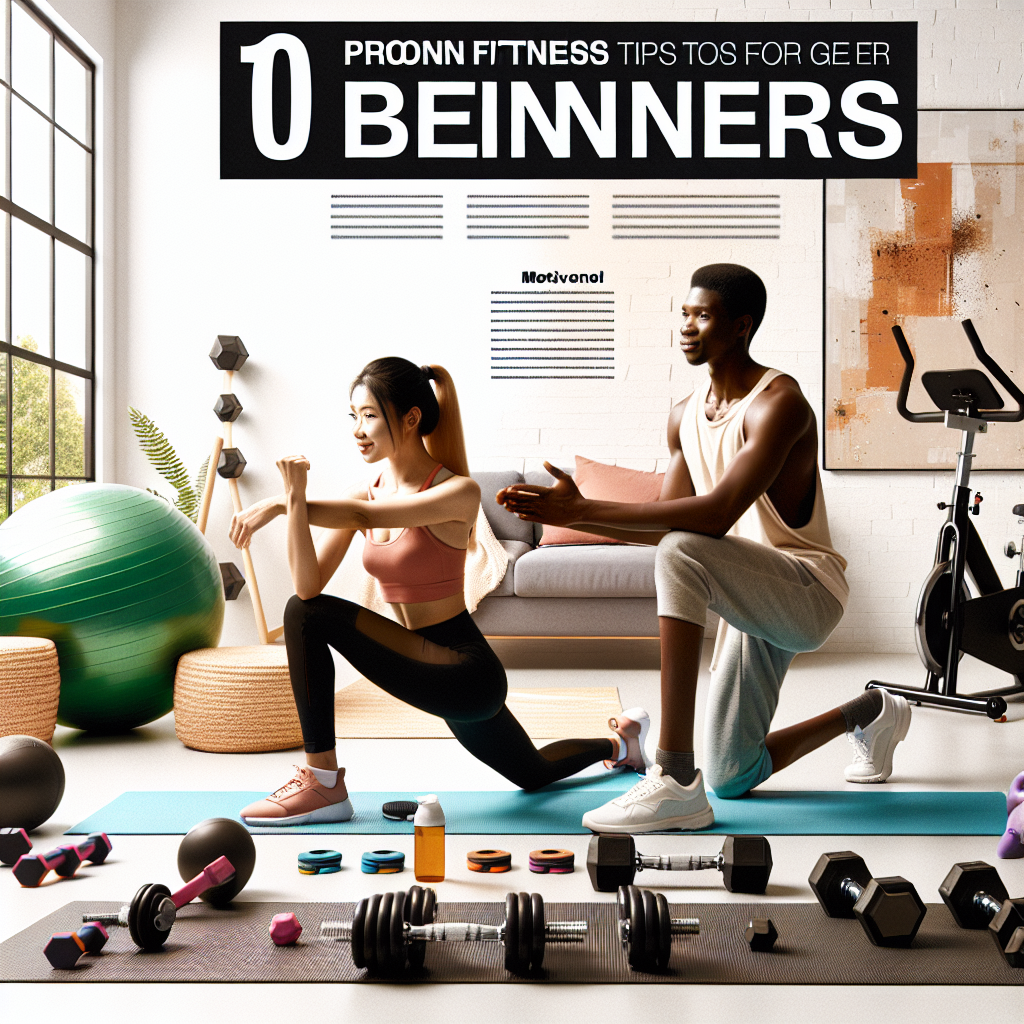
Partnering up with a workout buddy can enhance accountability and make exercising more enjoyable. Sharing goals, challenges, and successes provides mutual support. Working out alongside someone can also introduce healthy competition and motivate you to push through barriers you might face when training alone.
9. Embrace Different Types of Workouts
Variety is crucial in keeping your fitness routine engaging. Explore different workout styles like yoga, pilates, HIIT (High-Intensity Interval Training), and dance-based classes. This diversity prevents boredom and reduces the risk of overuse injuries while promoting all-around fitness by targeting various muscle groups and energy systems.
10. Listen to Your Body
Finally, paying attention to how your body feels during workouts is essential for longevity in your fitness journey. If you experience pain, fatigue, or discomfort beyond normal post-exercise soreness, consider adjusting your routine. Taking rest days and seeking medical advice when necessary fosters a sustainable approach to fitness that prioritizes health over performance.
By implementing these ten proven fitness tips, beginners can build a solid foundation and cultivate habits that promote lifelong health and wellness. Emphasizing gradual progress, diverse activities, accountability, and a holistic approach to fitness lays the groundwork for a successful and enjoyable fitness journey.